
Technology is transforming every aspect of our lives, even the way we live at home. Smart homes, once the stuff of science fiction, are now part of millions of homes worldwide. The various devices in these homes are connected and work together to make life easier, better, and more efficient. One of the biggest benefits of this new concept is the potential for energy savings. By proactively controlling appliances like lighting, heating, cooling, and other devices, smart homes reduce energy costs and contribute to a better world.
In this article, we explore how smart homes save energy, their importance for a greener future, and how people can start using this technology today.
What Does a Smart Home Do?
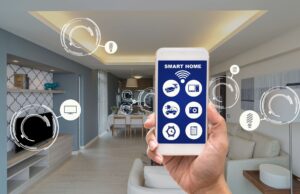
Smart homes use modern technology and connected gadgets to make life easier, more energy-efficient, and more efficient. With smart heating, voice-controlled lighting, and app-controlled tools, these homes give owners more control over their living spaces than ever before. The Internet of Things (IoT) is the cornerstone of smart homes. It allows various devices to communicate with each other and adjust based on user actions.
When it comes to energy savings, smart homes do more than just make you feel comfortable: they proactively monitor energy consumption, identify waste, and make real-time adjustments. That’s why many experts believe smart homes will play a crucial role in solving global energy problems.
Smart Thermostats Save Energy
A significant portion of a home’s energy consumption goes to heating and cooling systems. Traditional thermostats often require manual adjustments and waste energy by holding the temperature constant when it’s not needed. Smart thermostats address this problem by learning user preferences and automatically adjusting the temperature based on the number of people in the room and the weather conditions.
For example, a smart thermostat can lower the temperature while you’re at work, ensuring the room is still warm when you return. It can also track your phone’s location and make real-time adjustments. Studies show that smart thermostats can save people up to 15% on their heating and cooling costs annually. This makes them both cost-effective and environmentally friendly.
Smart Lighting Saves More
Another area where smart homes excel is lighting. Traditional lighting that stays on when you don’t need it wastes a significant amount of energy. To reduce this waste, smart lighting systems utilize LED bulbs, motion sensors, and programmable settings.
When you enter a room, the lights automatically turn on and off again when no one is in the room. You can also use an app to control the lights remotely, so they don’t have to be on when you’re away. By simply switching to smart lighting, you can save significantly on energy and lower your energy bills in the long run.
Smarter Plugs & Appliances
Besides lighting, heating, and cooling, many everyday appliances consume a surprising amount of energy. Appliances like refrigerators, washing machines, ovens, and even TVs consume significant amounts of electricity. Smart appliances are designed to minimize energy consumption by operating at times when power consumption is lower and adjusting their operation to save energy.
Smart plugs are an effective way to power older appliances. They allow people to monitor the power consumption of appliances and turn them off when they are not in use. This prevents “phantom power,” where appliances continue to draw power even when not in use. These small changes can significantly reduce your annual energy bill.
Smart Homes + Renewable Energy
In the future, smart homes will not only process energy but also use green energy. Many new smart homes are equipped with solar panels, wind turbines, or battery storage systems. If homeowners can intelligently manage when and how they use green energy, they can use more clean energy and be less reliant on the grid.
Smart energy management systems, for example, can store solar energy during the day and use it at night to power appliances when electricity demand is higher. This reduces reliance on fossil fuels, making homes cleaner and more sustainable.
Environmental Impact
Smart home technology is good for the environment, which is one of the main reasons why.
Some people worry about the upfront cost, while others worry about data security and device compatibility. However, as technology advances and companies strengthen security measures to protect user information, prices are coming down.
It’s important to start small, for example, with a smart thermostat or lighting system, and add more features over time. The long-term benefits will far outweigh the initial investment.
Q&A: Smart Homes & Energy
-
Is it expensive to install a smart home?
The initial price of smart home devices varies depending on the brand and the complexity of the system. However, many of these products are affordable, and the energy savings they provide will pay for themselves over time. For example, a smart thermostat can cost between €150 and €250, but it can save you hundreds of euros per year on energy bills. -
Do smart homes really save more energy?
Yes, smart homes are designed to track and optimize energy consumption. Smart appliances, lighting systems, and heating ensure that energy is only used when needed. This reduces waste and lowers energy costs. -
Can I convert my current home into a smart home?
Of course. You don’t have to build a new house to have a smart home. You can gradually transform your existing home into a smarter, more energy-efficient place to live by adding devices like smart outlets, heating, and lighting. -
Is a smart home secure?
While security is important, most reputable smart home brands prioritize data security. Homeowners can mitigate risks by keeping their electronics up to date, using strong passwords, and setting up a secure Wi-Fi network. -
How does a smart home connect to clean energy devices?
Solar panels, wind turbines, and battery storage systems can all be connected to smart energy management systems. They help ensure that excess green energy is safe and used effectively, reducing the demand for non-renewable energy.
A Smarter, Greener Future
Smart homes are the path to a greener future. By making things easier to use and more energy-efficient, they empower people to take control of their energy consumption and improve the world. Smart homes are more than just a trend; they represent an essential step toward a more sustainable future. They encompass smart heating, smart lighting, smart appliances, and the use of clean energy.
As technology continues to develop, energy-efficient and environmentally friendly smart living is becoming increasingly feasible. Investing in smart home solutions now is not only a smart financial move but also an effective way to protect the environment for future generations.