Today, people are becoming increasingly aware of the impact of their actions on the planet and their daily energy costs. With energy costs continuing to rise and climate change remaining a major concern, smarter, more energy-efficient homes are more important than ever. Automation is one of the best ways to achieve this. Automation is transforming our way of life. Smart heating, automated lighting, and improved energy management systems are just a few examples. Homes are not only more comfortable but also consume significantly less energy.
This article explores the importance of automation in improving the energy efficiency of homes. It shows how automation can reduce waste, maximize energy consumption, and ultimately support a better, more economical lifestyle.
Home Automation
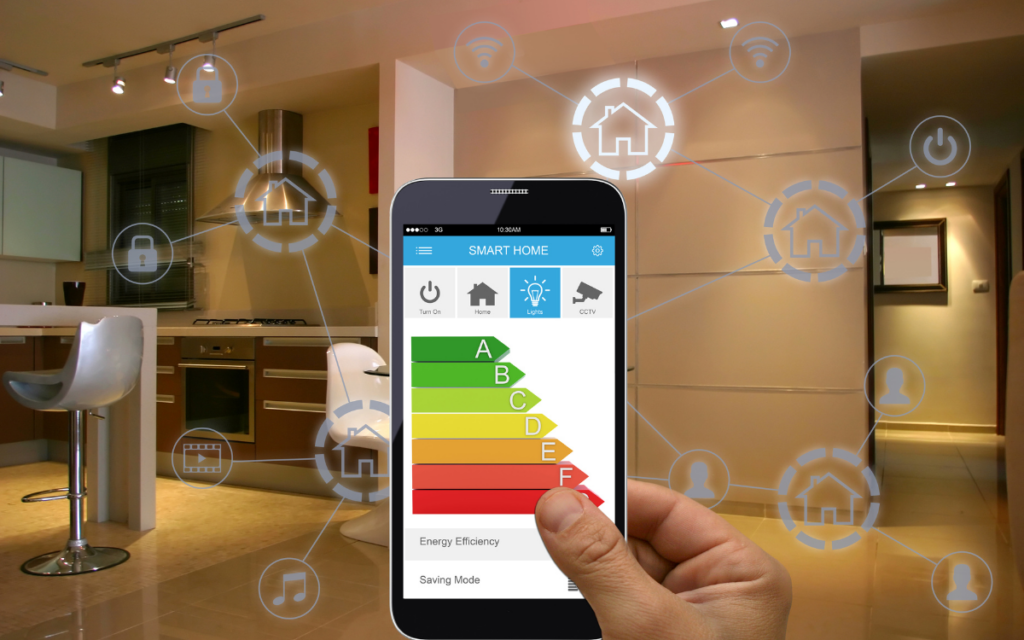
Smart technologies like apps, voice assistants, and automated scheduling allow homeowners to manage and improve various systems remotely. This is home automation. Heating, cooling, lighting, appliances, and even the use of green energy are all part of these systems.
Home automation goes far beyond making life easier. Homeowners can reduce their energy consumption by automating daily tasks. This way, energy is only used when and where it’s truly needed.
Smart Thermostats
A significant portion of the energy consumed in a home—often up to 50%—is used for heating and cooling. Smart thermostats are one of the best automated tools for reducing this type of energy consumption.
These devices learn how people use their homes and adjust the temperature and humidity based on whether someone is home, asleep, or away. For example, a smart thermostat can lower the temperature at night or when no one is home and then raise it before family members arrive.
By automating these adjustments, smart thermostats can help people save up to 15% on their heating and cooling costs and reduce energy waste.
Smart Lighting
Lighting is another major source of energy consumption. Automated lighting systems can address this by ensuring lights are only on when needed. Motion sensors can turn off lights when no one is in the room, and smart bulbs can be set to dim or turn off at specific times.
Smart lighting can also adjust brightness based on the amount of natural light, reducing the need for artificial lighting during the day. This not only saves energy but also makes the home feel cozier and more comfortable.
Smart Appliances & Monitoring
Everyday objects we use are becoming automated, and it’s not just lights and heating. Modern smart products, such as refrigerators, washing machines, and dryers, use less energy while improving performance.
Some smart washing machines, for example, can instantly adjust the amount of water and wash time to match the load, preventing excess water or energy waste.
Energy monitoring systems can also provide real-time information on electricity consumption, helping people better understand which appliances use the most power. This information allows families to make better decisions, such as using major appliances outside of peak hours, when electricity is cheaper and safer.
Automation & Renewable Energy
Home technology is particularly important for those with solar panels or other green energy systems. Smart energy management systems can determine when to use batteries to store excess solar energy and when to draw power from the grid.
By making these natural choices, homes can use clean energy more efficiently, reduce their reliance on fossil fuels, and lower their energy bills. Automation can sometimes even allow people to feed energy back into the grid when they’re not using it, turning their home into an energy producer.
Security & Efficiency
Many automated systems, such as smart locks, cameras, and sensors, help ensure security and reduce energy consumption. For example, smart door monitoring can alert the HVAC system to adjust the temperature when doors or windows are opened, preventing energy waste.
Similarly, motorized windows can close in the afternoon to reduce the need for air conditioning, while opening in the winter to let sunlight heat the home. These connections demonstrate how technology can be used
Tate Market.
From an environmental perspective, switching to automated, energy-efficient homes can significantly reduce carbon emissions, a crucial part of the global fight against climate change.
FAQs: Automation & Energy
-
How much does it cost to install an automated home system?
The starting price of smart devices and home automation systems varies depending on the brand and complexity. However, many options are affordable, and the energy savings often offset the initial cost in the long run. -
Do I need to program my entire house for energy savings?
Absolutely not. Starting small, like installing a smart thermostat or smart lighting, can save significant money and energy. People can then gradually expand their home automation systems. -
Is home automation difficult to use?
Most tools today are designed to be user-friendly. Many are easy to use for people of all ages because they can be controlled via voice assistants, mobile apps, or automated schedules. -
How much can automation typically save on energy bills?
If people use automation technology correctly, they can save 10% to 30% on their energy bills, depending on the appliances they use. -
Can this technology be used with solar panels and other forms of clean energy?
Yes. Smart energy management systems can manage the production and storage of green energy. This ensures efficient use of clean energy and reduces the need for grid connections.
Summary
Automation has a huge impact on improving the energy efficiency of a home. Automation helps people save money, reduce their energy consumption, and live more environmentally friendly lives. This can be achieved through smart heating and lighting systems, high-tech tools, and the use of green energy.
Automation systems combine comfort, convenience, and environmental protection, making it easier than ever for families to live more energy-efficiently. As technology continues to develop, smarter, healthier, and more energy-efficient homes will become possible.
Ultimately, technology isn’t just about making life easier; It’s about making everyone’s future better and more stable.