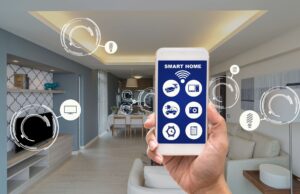

Many families worry about rising energy costs, but thanks to technology, it’s easy to save money without sacrificing comfort. Smart home devices are changing the way we use electricity, making our homes more energy-efficient and better for the planet. These smart home devices, such as clocks that automatically adjust the temperature and outlets that prevent energy waste, are both practical and cost-effective.
This article introduces 10 smart home devices that can help you significantly save on energy costs and make your home more environmentally friendly.
1. Smart Thermostat
Heating and cooling are among the most expensive energy costs in a home. Smart thermostats learn your daily activities, automatically adjust the temperature, and even sound an alarm when you’re not home. These devices can save up to 15% on your annual energy costs by stopping unnecessary heating or cooling. You can also remotely control many thermostats with a mobile app, enabling you to adjust the temperature in your home at any time.
2. Smart Lighting
Leaving regular lights on for extended periods can lead to higher energy bills. Smart lighting systems with motion sensors and energy-efficient LED bulbs ensure that lights only turn on when needed. They can also be set to automatically turn off or dim at specific times of the day. You can also control them remotely so the lights don’t stay on when you’re away. This simple adjustment can save you a lot of money on lighting costs.
3. Smart Plugs
Many appliances consume power even when not in use. This is called “phantom power.” Smart plugs solve this problem by turning appliances off when not in use. They also track power consumption, giving you insight into which appliances are using the most power. You can use smart plugs to set timers or schedules for appliances like coffee makers, TVs, and lights, saving energy and making your life easier.
4. Smart Power Strips
Smart power strips are similar to smart plugs, but they can control multiple devices simultaneously. They can instantly turn off unused devices and help determine which devices are most important. For example, your TV can stay on while other devices, such as a DVD player or game console, are turned off when not needed. This shared control prevents energy waste and lowers your energy bill.
5. Smart Appliances
Modern products, such as freezers, washers, and dryers, have built-in smart technology to maximize energy consumption. They can adjust their operation based on power consumption, the time of day, or energy availability. Some products can even communicate with the utility company to operate during off-peak hours, when electricity rates are lower. Smart products may be a bit pricey, but the long-term savings are more than worth it.
6. Smart Water Heaters
Another major energy expense for households is heating water. Smart water heaters can be programmed to monitor energy consumption and heat water only when needed. These devices don’t operate 24/7, but adapt to your lifestyle. For example, if your family showers almost every morning, the water heater can focus on keeping you warm during that time and saving energy at other times.
7. Smart Blinds & Shades
Not only does the HVAC system influence a building’s heating and cooling performance; regulating the weather is also crucial. Smart blinds open and close automatically based on the weather or time of day in your home. In winter, they let in natural heat; in summer, they block sunlight to keep the room cooler. This silent energy management approach can help you reduce your air conditioning or heating use.
8. Smart Sprinklers
Sprinkler systems may seem unrelated to your energy bill, but they are real. They influence water consumption and the energy required to pump and heat it. Smart sprinkler systems use weather data and sensors to measure soil moisture, ensuring your lawn is watered only when needed. By preventing overwatering, you save both water and the energy required to treat it, lowering your energy bill and protecting the environment.
9. Smart HVAC
A complete smart HVAC system uses sensors throughout your home, not just the heating system. These sensors monitor the number of people in a room and whether the temperature is high or low.
Smart appliances consume the most electricity, so you can choose where to reduce it. Some appliances even indicate how you can reduce energy consumption, making them ideal for connecting to other smart products.
Q&A: Smart Appliances & Energy Savings
-
Are smart appliances really worth the money?
Yes, some smart appliances require an upfront investment, but they often pay for themselves through energy savings. A smart plug or thermostat, for example, can lower your energy bill, meaning you can recoup the investment within a year or two. -
Can smart appliances be added to an older home?
Of course. Most smart appliances are easy to install in an existing home. Whether your house is new or old, you can add smart technology to your home without major renovations. -
Do smart appliances need Wi-Fi to work?
Most smart appliances require Wi-Fi to connect to the internet and allow other appliances to function. However, many smart appliances can still perform basic tasks even if the internet connection is temporarily unavailable. -
Could you please let me know how much smart devices can potentially save me?
The amount depends on the devices you use and how you manage your home. When people combine smart devices like heating, lighting, and outlets, they can save an average of 10% to 20% on their energy bills. -
Are smart devices safe?
Reputable smart device manufacturers prioritize security, but you should also protect your home network with strong passwords and regular updates. As long as you take the right security measures, smart devices are generally safe.
Smarter Choices Lower Bills
Smart devices are no longer just futuristic gimmicks; they are practical tools that help people save money and protect the environment. From lighting and heating to energy trackers and various tools, every device can help reduce waste and make life smoother. By gradually adding these devices to your home, you can support a better future, lower your energy bills, and simplify your life.
With energy costs rising, investing in smart devices isn’t just a way to improve your lifestyle; it is a step towards a better and more environmentally friendly life.