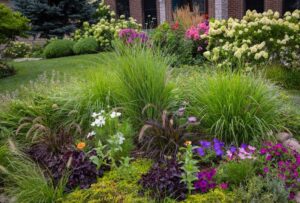
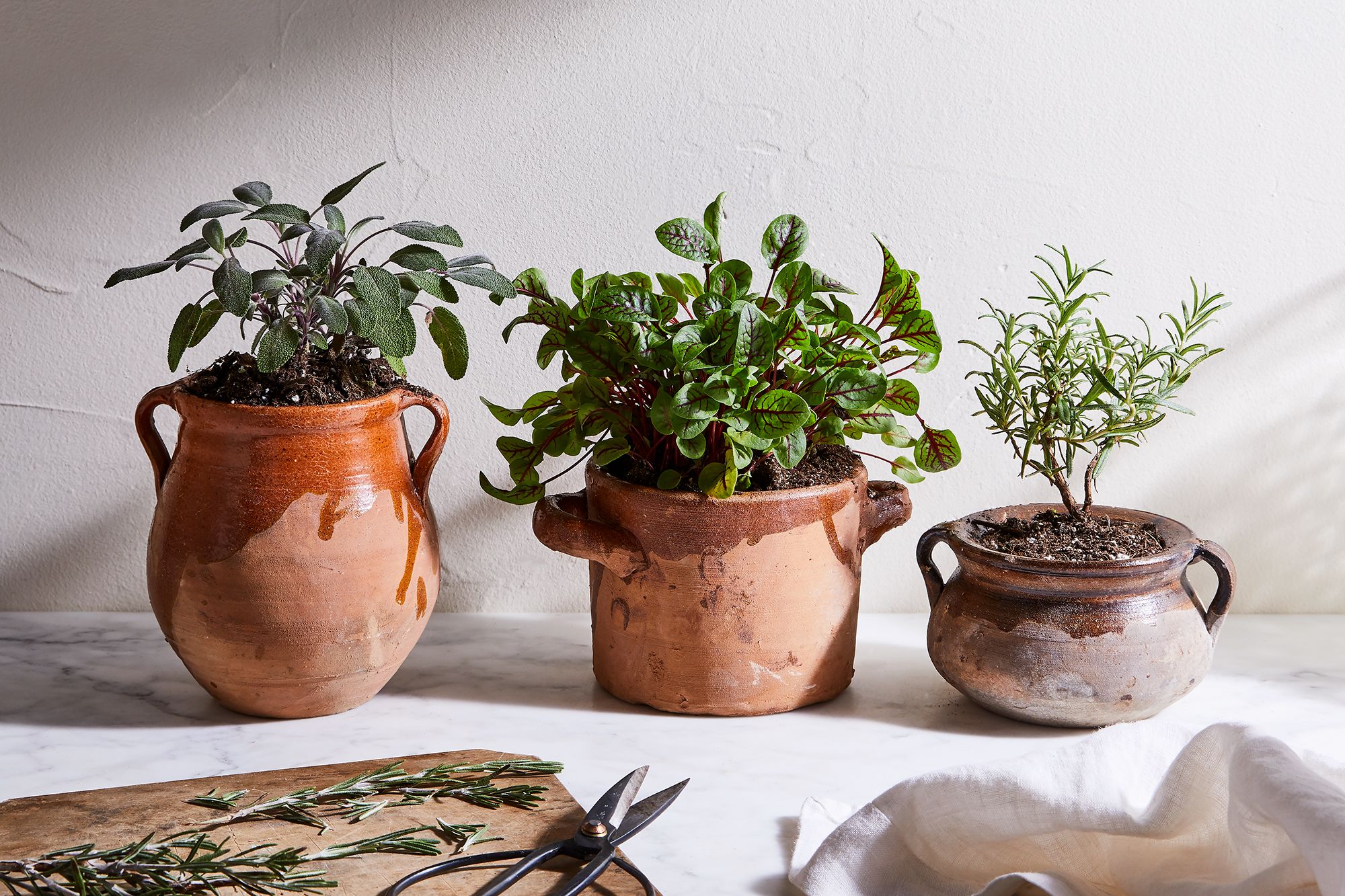
There’s something magical about stepping outside your door and harvesting fresh basil for tonight’s pasta or picking sun-warmed tomatoes straight from the vine. Home gardening offers a unique blend of satisfaction, health benefits, and cost savings that connects us to our food in ways grocery shopping simply cannot match. Whether you have acres of land or just a sunny windowsill, growing your herbs and vegetables transforms both your meals and your relationship with nature.
The benefits extend far beyond the dinner table. Homegrown produce contains higher nutrient levels than store-bought alternatives since it’s harvested at peak ripeness rather than picked early for shipping. You control every aspect of the growing process, eliminating concerns about pesticides and chemicals while reducing your environmental footprint through decreased packaging and transportation.
Starting a home garden might seem overwhelming, but thousands of successful gardeners began with nothing more than curiosity and a few seeds. This guide will walk you through everything you need to know to grow fresh herbs and vegetables successfully, regardless of your experience level or available space.
Choosing Your Plants
Success begins with selecting the right plants for your specific conditions and goals. Climate plays the most significant role in determining which varieties will thrive in your location. Research your USDA hardiness zone to understand your region’s average temperatures, frost dates, and growing season length. This information guides decisions about which plants to grow and when to plant them.
Space considerations shape your plant choices just as much as climate does. Balcony gardeners might focus on compact herbs like basil, parsley, and chives, while those with larger yards can accommodate sprawling vegetables like pumpkins and corn. Consider vertical growing options like trellises and hanging baskets to maximize production in limited areas.
Beginner-friendly herbs include basil, mint, oregano, and rosemary, which tolerate various conditions while providing immediate culinary rewards. Easy vegetables for new gardeners include lettuce, radishes, green beans, and tomatoes. These crops grow relatively quickly and forgive minor mistakes while building your confidence and skills.
Match your plant selections to your eating habits and cooking preferences. Growing exotic vegetables you’ve never tasted might sound adventurous, but focusing on crops you regularly buy and eat ensures your harvest gets used rather than wasted. Start with familiar favorites, then expand your repertoire as your skills and confidence grow.
Consider succession planting for crops like lettuce and beans that can be harvested multiple times per season. Plant new seeds every two weeks to ensure continuous harvests rather than overwhelming abundance followed by gaps in production.
Setting Up Your Garden
Soil quality forms the foundation of successful gardening. Most vegetables and herbs thrive in well-draining soil rich in organic matter with a pH between 6.0 and 7.0. Test your soil using inexpensive kits available at garden centers, or send samples to your local agricultural extension office for comprehensive analysis.
Improve poor soil by incorporating compost, aged manure, or other organic amendments. These materials increase nutrient content while improving soil structure and drainage. Heavy clay soils benefit from added sand and organic matter to increase drainage, while sandy soils need compost to improve water retention and fertility.
Container gardening offers excellent results for herbs and smaller vegetables, especially when ground soil quality is poor or space is limited. Choose containers at least 12 inches deep for most herbs and 18-24 inches deep for vegetables like tomatoes and peppers. Ensure adequate drainage holes and use high-quality potting mix rather than garden soil, which compacts in containers.
Sunlight requirements vary significantly among different plants. Most vegetables need 6-8 hours of direct sunlight daily, while many herbs tolerate partial shade conditions. Observe your available growing spaces throughout the day to understand sun patterns, then match plants to appropriate locations.
Water access influences garden placement and design. Locate gardens within reasonable distance of water sources to make daily watering manageable. Consider installing drip irrigation systems or soaker hoses for larger gardens to ensure consistent moisture while conserving water.
Planting and Growing
Timing makes the difference between success and disappointment in vegetable gardening. Cool-season crops like lettuce, peas, and spinach grow best in spring and fall when temperatures remain below 75°F. Warm-season vegetables including tomatoes, peppers, and basil require soil temperatures above 60°F and thrive in summer heat.
Start seeds indoors 4–8 weeks before the last expected frost for warm-season crops that require long growing seasons. Use seed-starting trays filled with sterile potting mix and provide adequate light through sunny windows or grow lights. Transplant seedlings outdoors after soil warms and frost danger passes.
Direct seeding works well for crops with large seeds or those that transplant poorly. Beans, corn, carrots, and radishes grow better when planted directly in their final locations. Follow package directions for planting depth and spacing, typically planting seeds at depths equal to 2-3 times their diameter.
Proper spacing prevents overcrowding that leads to disease problems and reduced yields. Crowded plants compete for nutrients, water, and sunlight while creating humid conditions that encourage fungal diseases. Thin seedlings according to package recommendations, even though removing healthy plants feels counterintuitive.
Mulching conserves moisture, suppresses weeds, and moderates soil temperature fluctuations. Apply 2-3 inches of organic mulch like straw, leaves, or grass clippings around established plants, keeping mulch away from plant stems to prevent pest and disease issues.
Troubleshooting Common Problems
Pest management begins with prevention through healthy soil, proper spacing, and plant diversity. Strong, well-nourished plants resist pest damage better than stressed specimens. Encourage beneficial insects by planting flowers like marigolds, nasturtiums, and zinnias near vegetable crops.
Common garden pests include aphids, caterpillars, and beetles that can be controlled through various organic methods. Hand-picking larger pests like hornworms and beetles provides immediate results without chemicals. Insecticidal soap sprays effectively control soft-bodied insects like aphids and spider mites.
Disease prevention relies heavily on proper cultural practices. Avoid watering plant leaves, especially late in the day when moisture persists overnight. Ensure adequate air circulation through proper spacing and pruning. Remove diseased plant material promptly to prevent spread to healthy plants.
Nutrient deficiencies appear as yellowing leaves, poor growth, or reduced fruit production. Nitrogen deficiency causes overall yellowing and stunted growth, while phosphorus deficiency results in purple-tinged leaves and poor root development. Regular feeding with balanced fertilizers or compost prevents most nutrient problems.
Watering issues cause more plant problems than any other factor. Overwatering leads to root rot and fungal diseases, while underwatering causes wilting and reduced yields. Check soil moisture by inserting your finger 1-2 inches deep—water when the top inch feels dry but moisture remains below.
Harvesting Your Crops
Timing harvests correctly maximizes both quality and quantity from your garden. Most herbs taste best when harvested in the morning after dew evaporates but before heat builds up. Cut herb stems just above a leaf pair to encourage continued growth throughout the season.
Leafy vegetables like lettuce and spinach can be harvested as baby greens for tender leaves or allowed to mature for larger harvests. Cut-and-come-again harvesting extends production by removing outer leaves while allowing centers to continue growing.
Fruit vegetables including tomatoes, peppers, and squash require different harvest timing for optimal flavor. Tomatoes develop best flavor when allowed to ripen on the plant until they give slightly to gentle pressure. Harvest peppers at any stage, though flavor intensifies as they mature and change color.
Proper harvesting techniques ensure continued production throughout the growing season. Use clean, sharp tools to avoid damaging plants and spreading diseases. Harvest regularly to encourage continued production—many crops stop producing when mature fruits remain on plants.
Storage methods vary depending on the type of produce harvested. Hardy vegetables like carrots and potatoes store well in cool, dark conditions for months. Tender herbs can be preserved through drying, freezing, or making herb-infused oils and vinegars.
Frequently Asked Questions
How much space do I need to start a vegetable garden?
You can begin gardening with just a few square feet of space. Container gardens on balconies or patios successfully produce herbs and smaller vegetables like cherry tomatoes and lettuce. A 4×4 foot raised bed provides enough space to grow a variety of vegetables for one person, while a 4×8 foot bed can supply a family of four with fresh produce throughout the growing season.
What are the easiest herbs and vegetables for beginners to grow?
Start with fast-growing, forgiving crops that provide quick results. Herbs like basil, mint, parsley, and cilantro grow readily in various conditions and provide immediate culinary rewards. Easy vegetables include radishes (ready in 30 days), lettuce, green beans, and cherry tomatoes. These crops tolerate minor mistakes while building your gardening confidence and skills.
When should I start planting my garden?
Planting timing depends on your location and the specific crops you want to grow. Cool-season crops like peas, lettuce, and spinach can be planted 2-4 weeks before your last expected frost date. Warm-season vegetables like tomatoes, peppers, and basil should only be planted after soil temperatures reach 60°F and all danger of frost has passed. Check your local extension office for specific planting dates in your area.
How often should I water my vegetable garden?
Most vegetables need about 1 inch of water per week, including rainfall. Water deeply but less frequently to encourage deep root growth rather than shallow, frequent watering that creates weak root systems. Check soil moisture by inserting your finger 1-2 inches deep—water when the top inch feels dry but moisture remains below. Container plants typically need daily watering during hot weather.
How do I know when my vegetables are ready to harvest?
Harvest timing varies significantly among different vegetables. Leafy greens can be harvested as baby leaves or allowed to reach full size. Root vegetables like carrots are ready when their shoulders appear at soil level. Tomatoes should give slightly to gentle pressure and have full color development. Check seed packets for specific harvest indicators and typical days to maturity for each variety you’re growing.
Growing Your Way to Garden Success
Starting a home herb and vegetable garden opens the door to fresher, more flavorful meals while providing satisfying hands-on connection to your food source. The process teaches patience, observation skills, and appreciation for the natural cycles that sustain life. Even small gardens yield significant rewards through improved nutrition, cost savings, and the deep satisfaction of eating food you grew yourself.
Success comes from starting small, choosing appropriate plants for your conditions, and learning from both victories and setbacks. Every experienced gardener began as a beginner, and every expert continues learning through observation and experimentation. Your garden will evolve and improve each season as your skills and knowledge expand.
Take that first step by selecting a few easy-to-grow herbs or vegetables that match your space and interests. Plant some seeds, provide basic care, and watch as your garden—and your confidence—grows together. The fresh flavors waiting in your future garden are worth every bit of effort you invest today.