
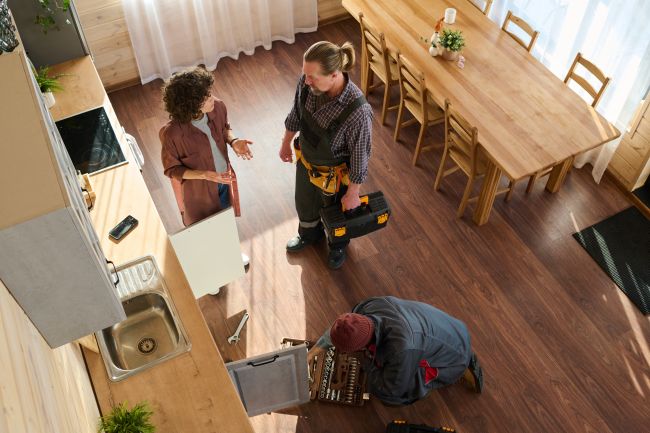
Maintaining your home is more than just a chore; it’s a vital aspect of ensuring the safety, comfort, and longevity of your living space. Home maintenance may seem like a daunting task, but with the right approach and a little effort, it can be manageable and even rewarding. Whether you’re a homeowner or renting, keeping your home in good condition requires regular attention and proactive care. This guide walks you through the essential aspects of home maintenance that can save you time, money, and stress in the long run.
Why Home Maintenance Matters
Home maintenance goes beyond just fixing broken things. Regular upkeep helps preserve the value of your property, improve energy efficiency, and prevent costly repairs down the road. Moreover, a well-maintained home is a comfortable and safe place to live, offering peace of mind for you and your family.
By committing to a few routine tasks, you can prevent minor issues from escalating into major problems. Whether it’s checking your HVAC system, cleaning out gutters, or maintaining your appliances, these tasks not only prolong the life of your home but also contribute to your well-being.
Essential Home Maintenance Tasks
Here are the most critical areas of home maintenance, categorized by frequency:
Monthly Maintenance Tasks
-
Check and Replace Air Filters Your HVAC system works best when the air filters are clean. Regularly checking and replacing them improves air quality, boosts system efficiency, and lowers energy costs.
-
Inspect the Plumbing System A quick check for leaky faucets or running toilets can save you from water damage and excessive water bills. Take a moment each month to check under sinks for leaks and ensure there’s no moisture accumulation.
-
Clean Your Range Hood and Filter The kitchen is often the busiest room in the house. Regular cleaning of the range hood and its filters will prevent grease buildup and keep your kitchen smelling fresh. It’s also an important fire safety step!
-
Test Smoke and Carbon Monoxide Detectors Safety is paramount, and checking the batteries and functionality of smoke and carbon monoxide detectors could be a life-saving practice. Testing them monthly ensures they’ll work in case of an emergency.
Quarterly Maintenance Tasks
-
Inspect the Roof Regularly inspecting your roof helps identify signs of wear and tear, like missing shingles, loose tiles, or visible damage. This can help prevent water leaks or structural damage in the future.
-
Clean Gutters and Downspouts Gutters play a key role in directing rainwater away from your home’s foundation. Cleaning them quarterly prevents clogs and ensures water flows freely, preventing potential water damage or flooding.
-
Check for Mold and Mildew Especially in humid climates, mold and mildew can accumulate in damp areas like basements, bathrooms, and attics. Inspecting these areas regularly will help prevent growth that could lead to health issues or property damage.
-
Seal Gaps Around Windows and Doors Check for drafts or visible gaps around your windows and doors. Sealing these areas helps improve energy efficiency, keeping your home comfortable and reducing heating and cooling costs.
Annual Maintenance Tasks
-
Inspect the Heating and Cooling Systems Schedule an annual professional inspection of your HVAC system. This ensures that your heating and cooling systems are functioning at optimal efficiency, preventing breakdowns when you need them most.
-
Drain and Flush the Water Heater Over time, sediment can accumulate at the bottom of your water heater. Draining and flushing it annually helps maintain its efficiency, ensuring you always have access to hot water while prolonging the lifespan of the unit.
-
Service Major Appliances Cleaning and maintaining major appliances like the refrigerator, oven, and dishwasher can extend their lifespan and prevent expensive repairs. Check for leaks, clean condenser coils, and inspect hoses annually.
-
Clean Your Chimney If your home has a fireplace, it’s important to have the chimney cleaned annually to avoid the buildup of soot and creosote, which could pose a fire risk. Hiring a professional for this task is recommended.
Seasonal Home Maintenance Checklist
Changing seasons bring unique challenges, so it’s important to adapt your home maintenance routine to each one. Below are a few tasks you can complete in each season:
Spring Maintenance Checklist
-
Inspect and clean your gutters.
-
Check for leaks in the roof or around windows.
-
Service your air conditioner to ensure it works efficiently during the hotter months.
Summer Maintenance Checklist
-
Maintain your lawn by mowing regularly and watering adequately.
-
Inspect your outdoor plumbing, including irrigation systems.
-
Clean out the barbecue grill and check for any potential fire hazards.
Fall Maintenance Checklist
-
Prepare your home for winter by insulating pipes and checking the heating system.
-
Clean out the fireplace and chimney.
-
Seal any gaps or cracks in windows or doors to keep out drafts.
Winter Maintenance Checklist
-
Check your home’s insulation to ensure it retains heat.
-
Regularly inspect the furnace and replace filters.
-
Keep an eye on your water pipes to prevent freezing during extremely cold weather.
Tips for Successful Home Maintenance
-
Create a Maintenance Schedule To stay on top of home maintenance tasks, create a schedule or checklist to follow. Whether you prefer to use a digital calendar or a physical planner, having a system in place ensures you don’t miss any important tasks.
-
Don’t Ignore Small Problems It’s easy to overlook small issues like a dripping faucet or a slight crack in the wall, but neglecting these minor problems can lead to bigger, more expensive issues later on.
-
Hire Professionals When Needed While there are many DIY tasks you can take on, some things require professional expertise. For tasks like electrical work, major plumbing issues, or roof inspections, hiring a licensed professional is crucial for safety and accuracy.
-
Budget for Maintenance Setting aside a maintenance budget is essential for keeping up with necessary repairs and improvements. Experts recommend setting aside about 1-2% of your home’s value each year for maintenance.
-
Use Quality Materials Investing in high-quality materials and products for repairs and upgrades will pay off in the long run. Whether you’re fixing a leaky faucet or replacing an appliance, choosing durable, reliable items ensures longevity.
Frequently Asked Questions (FAQ)
1. How often should I clean my air ducts? It’s recommended to clean your air ducts every 3-5 years, or sooner if you have allergies or pets. Regular cleaning ensures cleaner air and better HVAC efficiency.
2. When is the best time to service my heating system? Ideally, you should service your heating system in the fall before the cold weather sets in. Annual maintenance before heavy use ensures it runs smoothly throughout winter.
3. How can I prevent mold in my home? To prevent mold, keep humidity levels low, especially in damp areas. Use exhaust fans, repair leaks immediately, and ensure adequate ventilation in bathrooms, basements, and kitchens.
4. How can I save money on home maintenance? Regular maintenance can actually save you money in the long run. By addressing small issues early, you can prevent costly repairs. Additionally, investing in energy-efficient appliances can help reduce utility bills.
Conclusion: Keep Your Home in Shape with Regular Maintenance
Home maintenance is not just about keeping things looking nice – it’s about protecting your investment and ensuring the longevity of your property. By following a regular maintenance schedule and addressing problems early, you can avoid costly repairs and enjoy a comfortable, safe home year-round. Whether you’re handling routine tasks on your own or bringing in professionals, remember that consistent care is the key to a well-maintained home.


