Gardening offers a unique way to connect with nature, providing fresh produce, beautiful flowers, and a peaceful escape. But what if your garden could do even more? What if it could actively contribute to a healthier planet? This is the core idea behind sustainable gardening. It’s a thoughtful approach that goes beyond just growing plants; it’s about creating a thriving ecosystem in your backyard that supports the environment and enriches your life.
Sustainable gardening is about working with nature, not against it. By adopting eco-friendly practices, you can reduce your carbon footprint, conserve precious resources like water, and create a haven for local wildlife. This guide will walk you through the essential tips and techniques to transform your garden into a flourishing, self-sustaining space that benefits both you and the planet.
What is Sustainable Gardening?
Sustainable gardening is a method of growing plants that minimizes negative environmental impact. It focuses on creating a balanced, self-sufficient ecosystem by mimicking natural processes. The core principles revolve around conserving resources, enhancing soil health, and promoting biodiversity without relying on synthetic chemicals.
The benefits extend far beyond your garden fence. Environmentally, sustainable practices help reduce water usage, prevent soil erosion, and decrease pollution from chemical runoff. For your well-being, it means healthier, pesticide-free food, more time spent outdoors, and the satisfaction of knowing you’re making a positive difference.
Key Sustainable Gardening Practices
Ready to get your hands dirty? Integrating a few key practices can make a huge impact on your garden’s sustainability.
Nurture Your Soil Naturally
Healthy soil is the foundation of a healthy garden. Instead of using chemical fertilizers, focus on building rich, organic matter.
Composting: Start a compost pile with kitchen scraps (like fruit and vegetable peels), yard waste (like leaves and grass clippings), and other organic materials. Compost enriches the soil with essential nutrients, improves its structure, and helps it retain moisture.
Avoid Chemical Fertilizers: Synthetic fertilizers can harm beneficial soil microorganisms and pollute waterways. Opt for natural alternatives like compost, well-rotted manure, or organic fertilizers.
Conserve Every Drop of Water
Water is a finite resource, and sustainable gardening prioritizes its conservation.
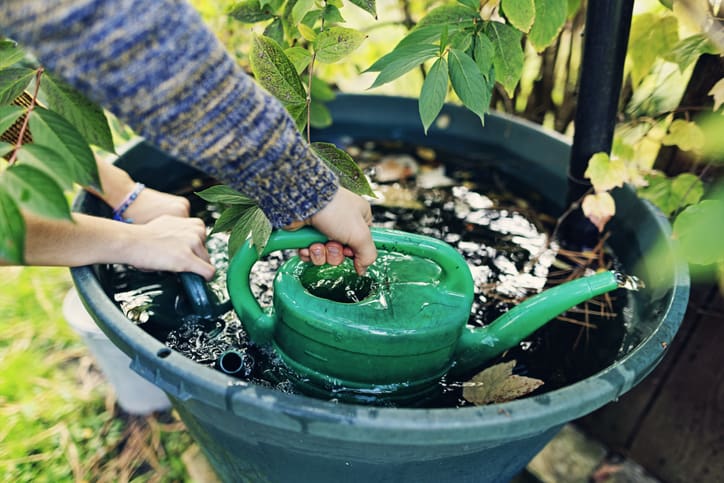
Rainwater Harvesting: Install a rain barrel to collect rainwater from your roof. This free, naturally soft water is perfect for your plants.
Efficient Irrigation: Water your garden early in the morning to minimize evaporation. Use drip irrigation or soaker hoses to deliver water directly to the plant roots, which is far more efficient than overhead sprinklers.
Mulching: Apply a layer of organic mulch (like wood chips or straw) around your plants. Mulch helps retain soil moisture, suppresses weeds, and regulates soil temperature.
Choose Your Plants Wisely
Selecting the right plants is crucial for a low-maintenance, sustainable garden.
Go Native: Native plants are adapted to your local climate and soil conditions, meaning they require less water, fertilizer, and pest control than non-native species. They also provide essential food and habitat for local wildlife, like birds and pollinators.
Companion Planting: Some plants have natural abilities to help others thrive. For example, planting marigolds near tomatoes can deter pests, and planting beans near corn provides the soil with nitrogen.
Manage Pests the Natural Way
Pesticides can harm beneficial insects, pollinators, and even find their way into your food. Embrace natural pest management instead.
Encourage Beneficial Insects: Attract helpful insects like ladybugs, lacewings, and praying mantises, which prey on common garden pests. You can attract them by planting flowers they love, like dill and yarrow.
Use Physical Barriers: Use row covers or netting to protect your plants from pests like cabbage moths and squash bugs. Hand-picking larger pests like tomato hornworms is also an effective, chemical-free solution.
Creating Your Sustainable Garden Step-by-Step
Transforming your space into a sustainable garden is a rewarding process.
Plan Your Layout: Observe your garden’s sun exposure, wind patterns, and water drainage. Group plants with similar water and light needs together to make care more efficient.
Prepare the Soil: Before planting, enrich your soil by mixing in a generous layer of compost. This will provide your plants with the nutrients they need to get a strong start.
Plant and Nurture: When planting, give each plant enough space to grow to its mature size. Water them deeply after planting and apply a layer of mulch to help them settle in.
Maintain and Observe: A sustainable garden requires observation. Regularly check your plants for signs of pests or disease, and address any issues early using natural methods. Keep your compost pile active and add fresh mulch as needed.
The Role of Eco-Friendly Products
While sustainable gardening emphasizes natural solutions, some eco-friendly products can be helpful. Look for organic fertilizers and soil conditioners made from natural ingredients. When buying tools, consider items made from recycled materials or invest in high-quality tools that will last for many years, reducing waste. You can even get creative by repurposing items like old containers for planting.
Benefits Beyond the Garden
The positive effects of your sustainable garden reach far beyond its borders.
Reduce Your Carbon Footprint: Growing your own food reduces “food miles”—the distance food travels from farm to plate. A healthy garden also acts as a carbon sink, absorbing CO2 from the atmosphere.
Promote Biodiversity: By planting native species and avoiding pesticides, you create a safe habitat for birds, bees, butterflies, and other essential wildlife.
Support Local Ecosystems: A network of sustainable gardens in a community can create vital corridors for wildlife and help restore balance to local ecosystems.
Frequently Asked Questions
What is sustainable gardening in simple terms?
Sustainable gardening is a way of growing plants that is kind to the environment. It involves using natural methods to enrich the soil, conserve water, and manage pests without relying on chemicals. The goal is to create a garden that is healthy, productive, and works in harmony with nature.
How do I start composting at home?
Starting a compost pile is easy! Find a spot in your yard and begin layering “greens” (like kitchen scraps and fresh grass clippings) with “browns” (like dried leaves, twigs, and cardboard). Keep the pile moist, like a damp sponge, and turn it occasionally with a pitchfork to aerate it. In a few months, you’ll have rich, dark compost for your garden.
What are native plants and why are they important?
Native plants are species that have grown naturally in a particular region for centuries, without human introduction. They are important because they are perfectly adapted to the local climate and soil, so they need less care. They also provide the ideal food and shelter for local wildlife, supporting a healthy ecosystem.
Your Garden, Your Impact
Creating a sustainable garden is a powerful and practical way to live a more eco-friendly life. Every small choice—from starting a compost pile to planting a native flower—contributes to a larger positive impact. It’s a journey of learning and discovery that connects you more deeply with the natural world. Start small, be patient, and enjoy the process of cultivating a garden that looks beautiful and helps heal our planet.