
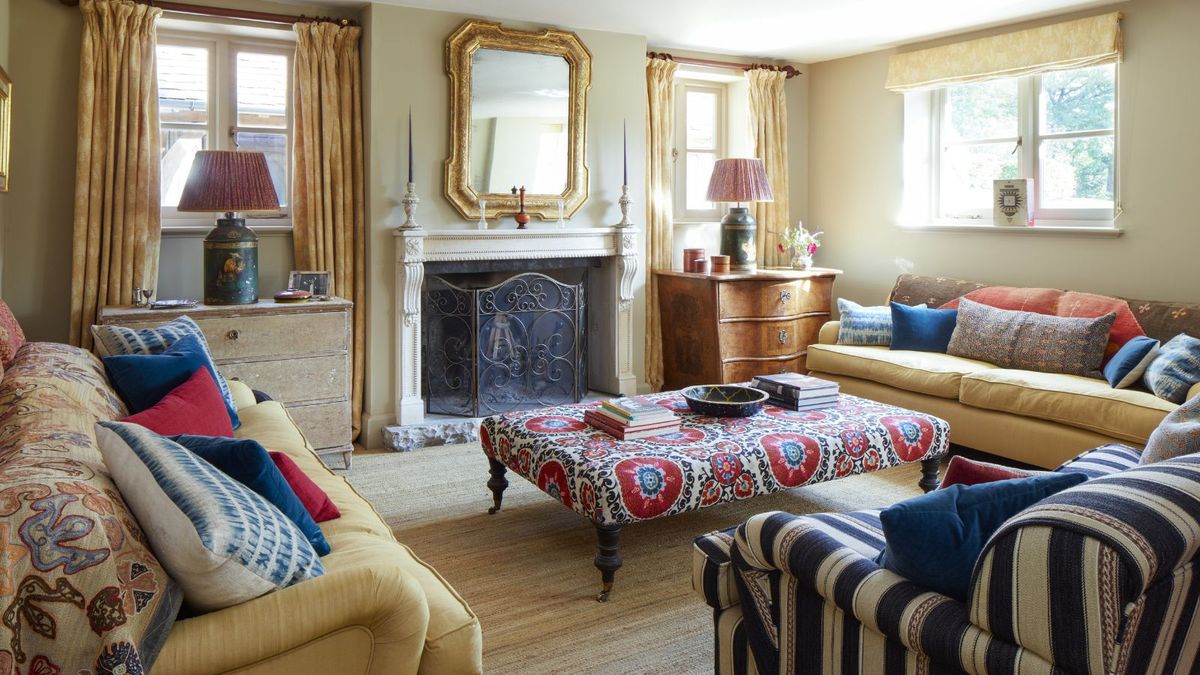
Creating a stylish home is about more than just filling it with furniture and decor. It’s about blending colors, textures, and patterns in a way that feels cohesive, welcoming, and true to your personality. The art of mixing colors and textures transforms a simple space into one that radiates warmth, character, and balance. However, achieving this harmony can be tricky if you don’t know where to begin. The good news is that with the right strategies, anyone can learn how to combine colors and textures effectively for a chic and timeless interior.
In this article, we’ll explore practical tips, interior design principles, and creative approaches to mixing colors and textures so you can design a home that looks as good as it feels.
Understanding the Basics of Color
Color is the foundation of any design scheme, and knowing how to pair hues is essential when creating a stylish home. Start with a base color—this could be a neutral shade like white, gray, or beige, which provides a versatile backdrop. From there, you can add complementary or contrasting colors to create visual interest.
A good rule of thumb is to use the 60-30-10 rule:
- 60% should be your dominant color (walls, large furniture).
- 30% should be a secondary color (curtains, rugs, accent furniture).
- 10% should be your accent color (decor accessories, cushions, art pieces).
This formula ensures that your space feels balanced rather than overwhelming.
Playing with Textures for Depth
Texture refers to how a surface feels or looks, and incorporating a mix of textures can add richness and depth to your home. Without texture, a space may appear flat or uninspired, even if you’ve chosen beautiful colors.
For example, pairing a smooth leather sofa with a plush wool throw creates contrast that feels cozy and dynamic. Similarly, combining sleek metal finishes with natural wood accents strikes a balance between modern and rustic aesthetics.
The secret is to mix at least three different textures in a room—such as wood, fabric, and glass—so your design looks intentional and layered.
Combining Warm and Cool Tones
When mixing colors, understanding the difference between warm and cool tones is key. Warm tones like reds, oranges, and yellows create a sense of energy and intimacy, while cool tones such as blues, greens, and grays promote calmness and relaxation.
Blending these two can create harmony. For instance, pairing a cool gray wall with warm wooden flooring keeps the space balanced and inviting. If your room feels too stark with cool tones, add warmth with a cozy rug, throw blanket, or warm-toned artwork.
Mixing Patterns Without Overwhelm
Patterns are another element that can bring a room to life, but using too many bold prints can quickly create chaos. The trick is to mix patterns of different scales. Pairing a large floral print with smaller geometric designs keeps the eye engaged without feeling cluttered.
For example, if you have a patterned rug, you might balance it with solid-colored curtains and a sofa that has subtle textured fabric. This ensures that patterns add interest without overpowering your space.
Layering with Accessories
Accessories are one of the easiest ways to experiment with color and texture. Throw pillows, blankets, rugs, and artwork allow you to test combinations without committing to big changes like painting walls or replacing furniture.
Layering accessories is also a great way to switch up your style with the seasons. In summer, opt for light linen fabrics in soft pastel shades, while in winter, embrace velvet cushions, chunky knit throws, and deeper jewel tones.
The Role of Lighting in Color and Texture
Lighting has a major influence on how colors and textures appear in a room. Natural light enhances colors and brings out the depth in textures, while artificial lighting can create different moods depending on the bulb’s tone.
Warm lighting makes earthy tones more inviting, while cool lighting emphasizes modern finishes like glass or metal. When designing your space, always consider how lighting will interact with the colors and textures you’ve chosen.
Balancing Minimalism and Boldness
Striking the right balance between minimalism and bold design choices is crucial. While it’s fun to experiment with vibrant colors and eye-catching textures, overdoing it can lead to a cluttered look. A minimalist foundation with pops of bold textures or colors often works best.
For instance, a simple white living room can be elevated with a velvet emerald-green armchair, a patterned rug, and metallic accent lamps. The bold elements stand out because the background remains clean and uncluttered.
FAQs About Mixing Colors and Textures
1. How do I know which colors will look good together?
Start with a color wheel. Complementary colors (opposites on the wheel, like blue and orange) create contrast, while analogous colors (next to each other, like blue and green) create harmony. If unsure, stick to neutral tones and add a single accent color for safety.
2. Can I mix more than three textures in one room?
Yes, but do it carefully. More than three textures can work as long as they complement each other. For example, combining linen, wood, glass, and leather can look sophisticated if balanced properly.
3. What’s the easiest way to add texture without redecorating the whole room?
Begin by incorporating small accessories, such as throw blankets, cushions, rugs, and curtains, which are affordable options for introducing new textures without requiring major renovations.
4. Should small rooms avoid bold colors and textures?
Absolutely not. Small rooms can handle bold design elements if used strategically. A bold accent wall or patterned rug can make a small space feel dynamic without overwhelming it.
5. How does lighting affect my choice of colors and textures?
Lighting can change how a color looks. For instance, a beige wall may appear warm in natural daylight but look dull under cool artificial light. Always test paint swatches and fabric samples in your room’s actual lighting before making decisions.
Conclusion
Mixing colors and textures is one of the most powerful ways to create a home that feels stylish, personal, and inviting. By understanding color theory, experimenting with textures, and layering patterns and accessories, you can achieve a space that reflects your personality while maintaining balance. Remember to consider lighting, scale, and the overall mood you want to create.
Your home should be a reflection of you—bold in some places, soft in others, and always welcoming. When done thoughtfully, the combination of colors and textures will transform your space into a timeless, stylish sanctuary you’ll love coming back to every day.


