
With the growing attention to climate change and other environmental issues, more and more people are choosing an eco-friendly lifestyle. Incorporating eco-friendly design elements into our homes is one of the most effective ways to support our well-being. A green home not only reduces our carbon footprint but also encourages a healthy, low-carbon lifestyle. The use of natural materials and energy-efficient tools are all part of eco-friendly home design. It combines functionality, comfort, and environmental friendliness. Let’s take a look at some creative and practical ways to build a home that supports a green lifestyle.
Natural Light
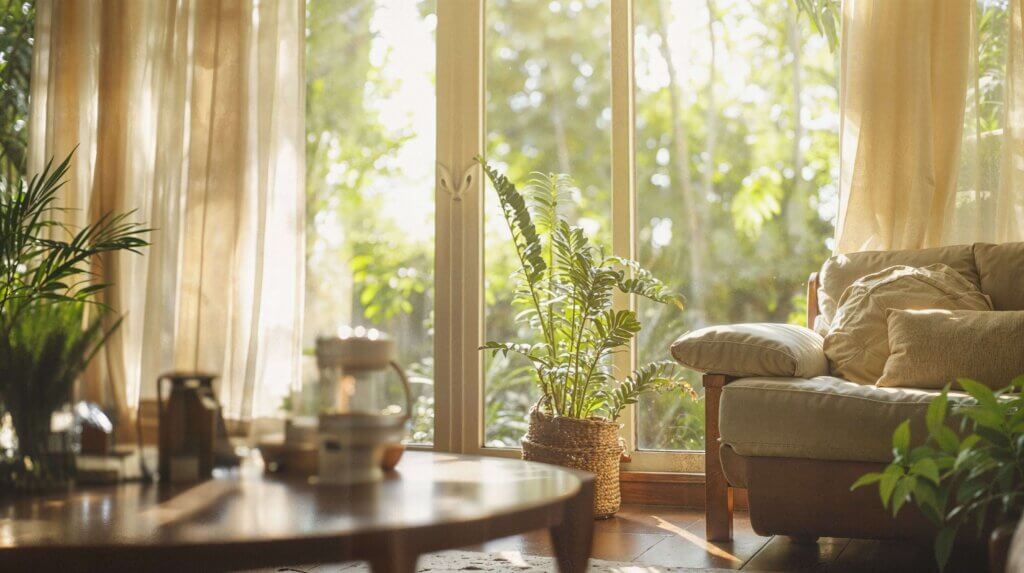
Making the most of natural light is a simple yet effective tip for eco-friendly home design. By letting natural light into a room, you reduce the need for artificial lighting during the day, saving energy. Large windows, skylights, and glass doors make a home feel more open and brighter and also help save energy. Installing sheer curtains or blinds brings in natural light while providing privacy. Sunlight is also good for mental health, making a home with plenty of sunlight both practical and pleasant.
Energy-Efficient Appliances
One of the most practical ways to live more sustainably is to purchase energy-efficient products. Modern appliances with the Energy Star label reduce water and energy consumption and perform excellently. Eco-friendly refrigerators, washers, dryers, and even air conditioners are now available. While they may be more expensive initially, they are well worth the investment, as they can save you money on your energy bills in the long run. More importantly, they can significantly reduce greenhouse gas emissions, making your home more environmentally friendly.
Eco-Friendly Materials
Building your home with eco-friendly products can make a huge difference. Recycled metal, bamboo, reclaimed wood, and cork are all excellent eco-friendly choices. Bamboo, for example, grows quickly and is sustainable, making it ideal for furniture and flooring. Recycled wood adds flavor to food and prevents the felling of trees. Similarly, planks, tiles, and decorative items can be made from recycled stone or glass. These materials are not only stylish but also better for the environment.
Insulation & Roofing
One of the most important aspects of a home’s energy efficiency is the roof and its insulation. Covering your roof with plants or grass can make it even greener. A green roof naturally protects your home, prevents rainwater runoff, and improves air quality. If you can’t install a green roof, you can still protect your roof and help the environment by using metal, clay, or recycled roof tiles. Insulating with natural materials like wool, cellulose, or cotton can help keep your home at a comfortable temperature year-round. Effective insulation reduces the need for excessive heating and cooling, which saves energy.
Houseplants & Green Walls
Bringing nature indoors isn’t just a style statement; it’s also a great way to protect the environment. Indoor plants purify the air by absorbing toxins and releasing oxygen. They also add a touch of nature to any room. A green wall is a vertical planting that serves as both a design element and a natural air filter, adding a modern, eco-friendly touch to any room. Herbs, ferns, and other low-maintenance plants are not only beautiful but also very practical in a green wall.
Water-Saving Fixtures
Water is a precious resource, so building a home that uses less water is crucial. To conserve water, you can use water-saving faucets, showerheads, and dual-flush toilets. Greywater recycling systems recycle wastewater for purposes other than drinking water, while rainwater harvesting systems collect rainwater for gardening and outdoor cleaning. These smart devices not only save water but can also lower your monthly energy bills, making your home more environmentally friendly and energy-efficient.
Solar & Clean Energy
One of the most important things you can do to live more safely is using green energy. Solar panels, for example, use the sun’s energy to generate electricity, reducing our need for fossil fuels. Depending on where you live, solar energy can meet many of your home’s energy needs. Solar water heaters and wind turbines are two other ways to help people become energy independent. Although green energy systems are more expensive, they are
But it also reduces waste and is better for the environment in the long run.
Eco-Friendly Paint
Volatile organic compounds (VOCs) are hazardous chemicals that many common paints emit into the air. These toxins can damage indoor air quality. Choosing low-VOC or zero-VOC paint and finishes keeps your home safer. Now you can easily find a wide range of paint colors and styles, so you can create your dream home without worrying about your health or the environment.
Smart Home Tech
Technology can also help you live a more eco-friendly lifestyle. Energy monitoring devices, smart heating, and lighting systems can help you track and reduce your energy consumption. Smart thermostats, for example, can learn your sleep schedule and adjust the temperature accordingly. Smart lights can automatically turn off when not in use. These tools are essential for a healthy home because they increase efficiency and reduce waste.
Frequently Asked Questions
1. What are some of the simplest changes you can make to make your home more eco-friendly?
You can start with small changes, like installing LED lighting, water-saving faucets, and adding houseplants. These renovations don’t require much work, but they are very good for the planet.
2. Are eco-friendly building materials expensive?
Some eco-friendly materials may be more expensive initially, but they last longer and use less energy over time, making them more cost-effective in the long run.
3. Are solar panels really a good way to save money?
Yes. Solar panels can reduce your energy costs, and sometimes you can even feed excess energy back into the grid. In the long run, the benefits outweigh the installation costs.
4. How can I make my home more eco-friendly without major renovations?
Using eco-friendly paint, adding insulation, switching to more energy-efficient products, and reducing water usage are all simple ways to make a big difference without major improvements.
5. Does a green home increase its value?
Yes. A sustainable home often attracts buyers who want to save money and pursue an environmentally friendly lifestyle, which can increase the home’s resale value.
Summary
You don’t have to sacrifice style or comfort when designing a green home. Instead, you can live healthier, smarter, and more responsibly. By using sustainable materials, energy-efficient fixtures, natural light, and smart technology, you can create a home that works for you and the world. Small changes, like using eco-friendly paint or water-saving accessories, can make a big difference. Building a sustainable home isn’t just a trend; it’s a commitment to a better future for ourselves and future generations.


