
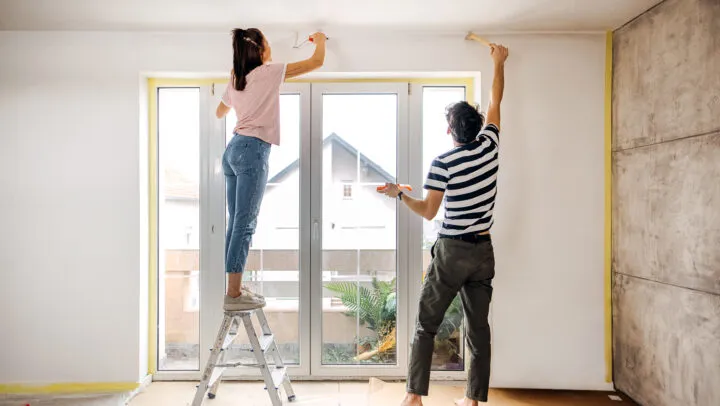
Buying a home is one of the biggest investments you can make, but maintaining it can be challenging. Regular minor repairs and annual maintenance are essential components of home care, ensuring your home remains safe, functional, and valuable for years to come. Failing to do so can lead to costly repairs, safety hazards, and unnecessary stress. The good news is that by focusing on important maintenance tasks, it’s easy to keep your home in good condition.
Here are 10 essential maintenance tasks every homeowner should perform to ensure safety and comfort and prevent costly repairs:
1. Clean Gutters
Gutters are essential for preventing rainwater from penetrating your home’s foundation. When gutters become clogged with leaves and other debris, water can back up and damage your roof, cause basement leaks, or damage the structure. Check and clean your gutters at least twice a year, usually in the spring and fall. If your home is surrounded by trees, you can install gutter guards to prevent debris from building up.
2. Test Smoke & CO Detectors
Safety is always paramount. Smoke and carbon monoxide detectors can save lives, but only if they are working properly. Test your detector monthly and replace the batteries at least once a year. Replace the detector with a new one every 7-10 years. This simple task will protect your family from potential gas or fire hazards.
3. Maintain HVAC
Your HVAC system works hard year-round to keep your home warm and comfortable. Have it professionally inspected and maintained at least once a year, preferably before summer or winter. Change the filter every one to three months to improve air quality and save energy. Proper maintenance of your system will extend its life and save you money on your energy bills.
4. Inspect Roof
Not repairing a damaged roof can lead to serious problems such as leaks and mold growth. Inspect your roof at least twice a year, especially after rain. Check for cracked or missing shingles, damaged light fixtures, and sagging areas. If you don’t feel safe climbing on your roof, use binoculars or call a professional roofer for a thorough inspection.
5. Clean Dryer Vent
Lint buildup in your dryer vent is not only inconvenient but can also pose a fire hazard. In addition, clean your dryer’s air ducts and pipes at least once a year. It’s especially important to clean the lint filter after each use. A clogged vent makes your dryer work harder, which uses more energy and increases the risk of fire.
6. Seal Doors & Windows
Leaky seals reduce your home’s energy efficiency, increasing your heating and cooling costs. Check the seals and weatherstripping around your doors and windows and repair any cracks or holes. You’ll save on your energy bills and feel more comfortable in your home because there are no drafts.
7. Check Plumbing
Small water problems can quickly escalate into major problems if left unaddressed. Regularly check for leaks under sinks, around toilets, and near your water heater. Inspect visible pipes for rust or damage. Flush your water heater annually to remove sediment and improve its performance. Early detection of plumbing problems can prevent flooding and costly repairs.
8. Test Sump Pump
If your basement has a sump pump, installing it is a top priority to prevent flooding. Fill the sump with water at least once a year and run the sump pump to check its proper functioning. Remove any debris from the sump and consider purchasing a battery-powered backup sump pump in case of a power outage during a storm.
9. Check Electrical
Ignoring electrical problems can be dangerous. Regularly check plugs, switches, and fuse boxes for signs of damage, burns, and wear. If your lights flicker, your fuse boxes trip frequently, or you hear popping sounds, contact a qualified plumber. Never perform electrical work yourself without the proper training. Hiring a professional is always safer.
10. Care for Lawn & Outdoors
The charm of your home isn’t just about its appearance; it’s also about protecting your property. Prune trees and shrubs close to the roof, walls, and windows to protect them from damage. Keep your garden healthy by mowing it regularly and removing debris.
FAQS
What’s the most important home maintenance chore?
While all safety features are important, it’s crucial to regularly check your home’s safety features, such as smoke detectors, carbon monoxide detectors, and the roof.
Can I do all the repairs myself?
You can replace filters, clean drains, or repair cracks yourself. However, electrical work, roofing, and major maintenance on your heating, ventilation, and air conditioning (HVAC) should only be done by professionals to ensure everyone’s safety.
How do I remember all this?
Creating an annual maintenance checklist or putting it in your calendar will help you stay on track and avoid getting overwhelmed.
Does regular cleaning really save money?
Of course. Major breakdowns and repairs are often much more expensive than regular maintenance. Preventative maintenance helps keep your home in good condition.
Summary
Owning a home comes with certain responsibilities, but regular maintenance ensures its safety, usability, and value. By performing these 10 essential tasks in your home, you can avoid costly repairs, make your home more comfortable, and extend the life of your systems. Think of it as an investment in your home and your peace of mind.


