
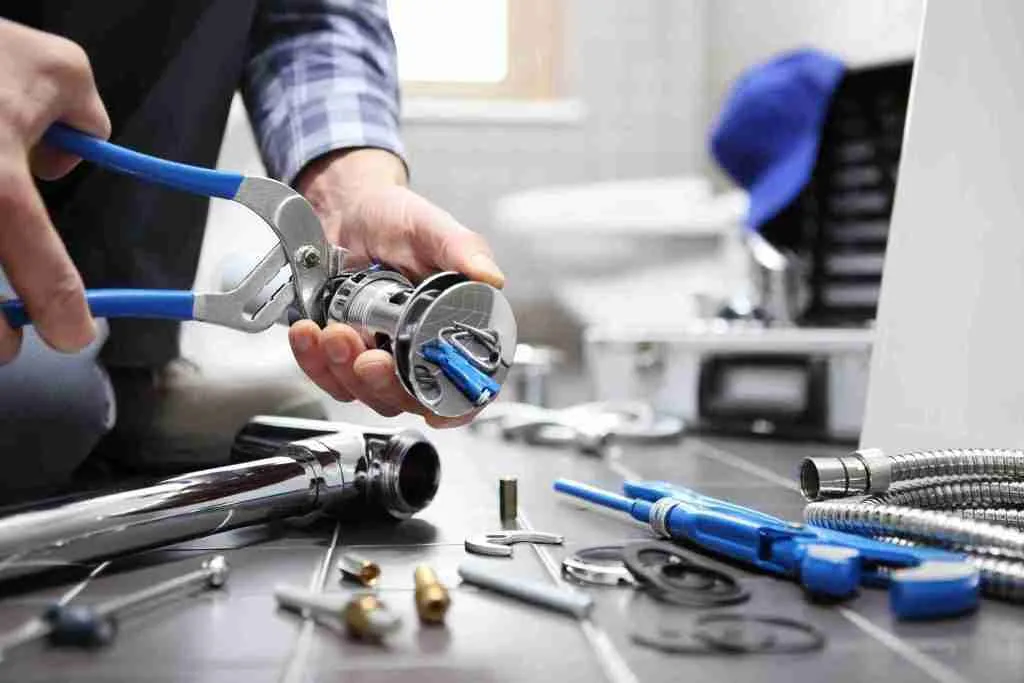
Plumbing issues can cause frustration and frequently arise at inconvenient times. Whether it’s a dripping faucet, a clogged drain, or a running toilet, these issues can disrupt your daily routine and even increase your water bills. While the first instinct may be to call a plumber, many common plumbing problems can actually be resolved with a little knowledge, the right tools, and some patience.
Mastering minor plumbing repairs not only reduces costs but also enhances your ability to maintain your home. In this article, we’ll walk through some of the most common plumbing issues homeowners face and provide simple, step-by-step solutions to fix them without calling a professional.
Fixing a Leaky Faucet
A leaky faucet is one of the most common household plumbing problems. That persistent drip isn’t just annoying—it can waste hundreds of gallons of water a year.
Most leaks are caused by a worn-out washer or O-ring inside the faucet. Here’s how you can fix it:
- Turn off the water supply under the sink.
- Remove the faucet handle using a screwdriver.
- Inspect the washer and O-ring. If they are worn, cracked, or damaged, replace them.
- Reassemble the faucet and turn the water back on.
This simple fix usually solves the issue. If the faucet still leaks, it may be time to replace the entire fixture.
Unclogging a Sink Drain
Slow or clogged drains are another frequent problem. Instead of reaching for harsh chemical drain cleaners—which can damage your pipes—try these safer and effective methods:
- Boiling water method: Pour a kettle of boiling water down the drain to break up minor clogs.
- Baking soda and vinegar: Pour half a cup of baking soda followed by half a cup of vinegar. Let it sit for 15 minutes, then flush with hot water.
- Plunger: Use a sink plunger to dislodge stubborn clogs. Make sure to cover the overflow hole for better suction.
If these don’t work, you can use a drain snake or auger to remove deeper blockages.
Stopping a Running Toilet
A running toilet is not just irritating—it wastes a lot of water. The most common culprits are issues with the flapper, float, or fill valve inside the tank.
Here’s how to fix it:
- Remove the tank lid and observe the mechanism.
- Check the flapper (the rubber seal at the bottom of the tank). If it appears worn or isn’t sealing properly, please go ahead and replace it.
- Adjust the float if the water level is too high. This prevents constant refilling.
- Inspect the fill valve. If water continues to run, the valve may need replacement.
Most toilet repair kits are affordable and easy to install, making the problem a simple DIY fix.
Dealing with Low Water Pressure
If your faucets or showerheads suddenly have weak water flow, low water pressure might be the issue. Mineral buildup in aerators or showerheads often causes this.
Steps to fix it:
- Unscrew the aerator on your faucet or remove the showerhead.
- Soak it in vinegar for a few hours to dissolve mineral deposits.
- Scrub with a toothbrush and rinse before reattaching.
If the problem persists throughout the house, it could be a bigger issue, such as a hidden leak or municipal water supply problem.
Fixing a Garbage Disposal Jam
A jammed garbage disposal can stop your kitchen sink from draining properly. Instead of calling a plumber, try this:
- Turn off the power to the disposal (unplug or switch off the breaker).
- Use a hex key, which usually comes with the disposal, to manually turn the blades from the bottom slot.
- Remove any stuck objects with tongs or pliers—never use your hands.
- Restore power and test the disposal.
Regularly running cold water while using the disposal can help prevent future jams.
Repairing a Dripping Showerhead
If your showerhead drips after being turned off, it’s usually because of a worn washer or O-ring.
- Remove the showerhead with a wrench.
- Inspect and replace the worn washer.
- Apply plumber’s tape around the threads before reattaching the showerhead.
This quick solution can save both water and money.
FAQs About Fixing Plumbing Issues
1. Is it safe to fix plumbing issues myself?
Yes, as long as you stick to simple tasks like unclogging drains, fixing leaky faucets, or replacing toilet parts. For major issues like burst pipes or sewage problems, it’s best to call a licensed plumber.
2. What basic plumbing tools should every homeowner have?
A plunger, pipe wrench, adjustable wrench, plumber’s tape, hex key set, and a drain snake are all handy tools for common repairs.
3. How do I know when to call a professional plumber?
If you notice persistent leaks, sewage backups, water damage, or issues with your main water line, it’s time to bring in an expert.
4. Can chemical drain cleaners damage pipes?
Yes. Overuse of chemical cleaners can corrode pipes and cause long-term damage. It’s better to use natural methods or mechanical tools like plungers and drain snakes.
5. How often should I inspect my plumbing system?
Inspect your faucets, toilets, and visible pipes at least once every few months. Regular maintenance can prevent costly repairs.
Conclusion
Plumbing issues don’t always require an expensive service call. With the right tools, a little know-how, and some confidence, you can handle many common problems on your own—saving time, money, and frustration. From fixing leaky faucets to unclogging drains and stopping running toilets, these simple DIY solutions will keep your home’s plumbing system in excellent working order.
Of course, when problems get too complex or involve your main water line, it’s wise to call a professional plumber. But for everyday issues, you now have the knowledge to fix them yourself and keep your home running smoothly.


