
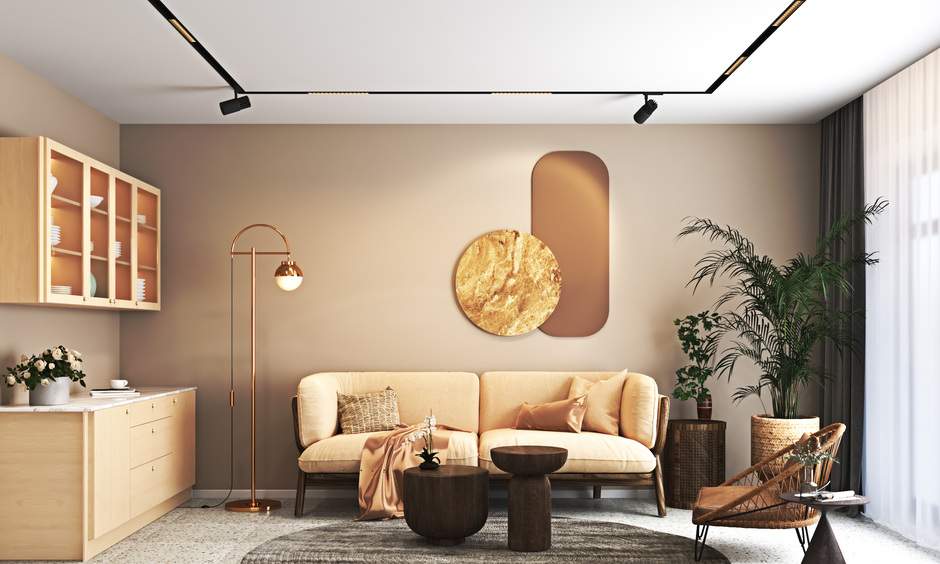
Lighting, often overlooked, is one of the most important parts of modern home design. It not only makes a room brighter, but it also sets the mood, makes it easier to use, and brings out the features in the architecture. The way a room is lit can totally change its mood, from natural light coming in through big windows to carefully chosen artificial light. Lighting is not only useful for modern homes and artists; it’s also an important part of design that affects how we use our living areas.
This piece will discuss the role of lighting in modern home design, the different kinds of lighting, and useful ways you can use lighting to improve your home look and work better.
Why Lighting Matters
Lighting does more than just let you see. It’s an important part of setting the mood, making people feel better, and even changing how people feel. A well-lit, bright kitchen makes you more likely to be active and get things done, while soft, warm lighting in the living room makes you want to rest and talk. The right lighting will also bring out the details in colors, shapes, and textures, making your design choices stand out.
Lighting is just as important in current home design as the furniture, wall color, and plan. It strikes a mix between style and function, making sure that every room looks great and still works well.
Natural Light in Modern Homes
A key part of modern home planning is letting in natural light. To get the most sunlight during the day, designers often choose homes with lots of big windows, skylights, and open floor plans. Not only does natural light cut down on the need for artificial lighting, it also improves health by supporting our circadian cycle and making the space feel happier.
By returning sunlight into dark areas, strategically placed mirrors can also make natural light better. Window treatments, like thin curtains, help filter light without stopping it completely. This keeps the room bright while giving you privacy.
Three Types of Light
There are three main types of lighting in a modern home: ambient, work, and accent. This is done to keep things balanced.
Ambient Lighting
The overall light in a room comes from ambient lighting. Think about chandeliers, ceiling lights, or hidden lights. It evens out the lighting throughout the room and serves as the base for adding other types of lighting.
Task Lighting
By directing light on specific places where activities happen, task lighting is useful. Pendant lights over cooking counters, reading lamps next to a couch, and work lamps in an office are all examples. This kind of lighting makes things easier to see and helps the eyes concentrate.
Accent Lighting
Adding accent lighting adds style and drama to a room. In terms of style, it draws attention to things like artwork, textured walls, or pretty shelves. Accent lighting, which gives rooms depth and personality, is often done with spotlights, wall lamps, and LED strips.
Color Temperature and Mood
The color temperature of the lights has a big impact on how a room feels. Warm white light, which is between 2700K and 3000K, makes places feel cozy and private, so it’s great for beds and living rooms. On the other hand, cool white or daylight lights (4000K–6500K) make you more active and are often used in bathrooms, kitchens, and offices.
By changing color hues, you can make each room fit its purpose while still keeping the design as a whole. Smart lighting systems even let people change the color temperature during the day to make their homes healthier by making them look more like natural sunlight.
Fixtures as Statements
These days, lighting devices are often the main attraction in homes. Sleek hanging lights, artistic chandeliers, or simple wall sconces can make a design statement that goes with the room’s general style. For instance, lighting fixtures in an industrial style with open bulbs look great in modern lofts, while crystal chandeliers add a touch of elegance to more expensive rooms.
The important thing is to pick features that look good with your home’s style and do their job well.
Energy-Saving Choices
Sustainability is a big part of modern home design, and lighting is no different. LED lights are now the standard because they last a long time, use little energy, and give off less heat. Smart lighting systems are even more environmentally friendly because they let users set the brightness, timers, and even motion monitors to make sure they don’t use too much energy.
Using energy-efficient lighting not only lowers your power bills but also helps you live in a more environmentally friendly way. It’s a great choice for modern homes.
Layering for Depth
Setting up lighting in a modern home in a way that works well is by layers. Using a mix of atmospheric, work, and accent lighting gives the room depth and keeps it from feeling flat. In a sitting room, for example, a ceiling light might make the room bright overall, floor lamps could be used for reading, and wall sconces would add style and warmth.
Layering gives you options—you can change the lights based on the activity or mood, making sure your home always feels warm and welcoming.
Smart Lighting
Modern lighting design has been changed a lot by technology. Smart lighting systems let people change the color, strength, and scheduling of their lights with just a word order or a tap on their phone. Some of them can even sync with movies, music, or your body’s natural movements, giving you a unique lighting experience.
These new technologies not only make things easier, but they also open up a huge range of design options. You can change the mood and style of your home by adding smart LED strips under cabinets, motion-activated stair lights, or adjustable ceiling lights.
FAQs on Lighting
1. What kind of lighting works best in small rooms?
Mix natural light with stacked artificial lighting in small places. It is best to use hidden or wall-mounted lights to save room and keep the area well-lit. Mirrors can block direct sunlight.
2. How do I pick the right light fitting for my house?
Think about the purpose, style, and size of the room. In the kitchen, sleek hanging lights look great, while a chandelier might look good in the dining room. Finding the right mix between looks and usefulness is key.
3. Are LED lights better than regular bulbs?
In fact, LEDs use less energy, last longer, and give off less heat than regular light bulbs. They also come in different color shades, which makes them useful for current design.
4. Can the way a room is lit really change how people feel?
Of course. Warm lighting makes a space feel cozy and calm, while cooler lighting helps you concentrate and stay awake. Changing the lighting can also have an effect on the climate as a whole.
5. What’s the newest thing in home lighting?
Leading styles include smart lights and features that last a long time. People are buying lighting systems that can be changed to fit their needs and styles that are good for the environment.
Conclusion
Lighting is an important part of current home design. It’s not just about lighting up a room; it’s also about setting the mood, making things easier to use, and showing off your style. People can make places that are both beautiful and useful by using a mix of natural light and layered artificial lighting, picking the right devices, and accepting energy-efficient options.
Thoughtful lighting design will improve your home look and make everyday life better, whether you’re remodeling your kitchen, redesigning your living room, or just replacing old bulbs with LEDs.


